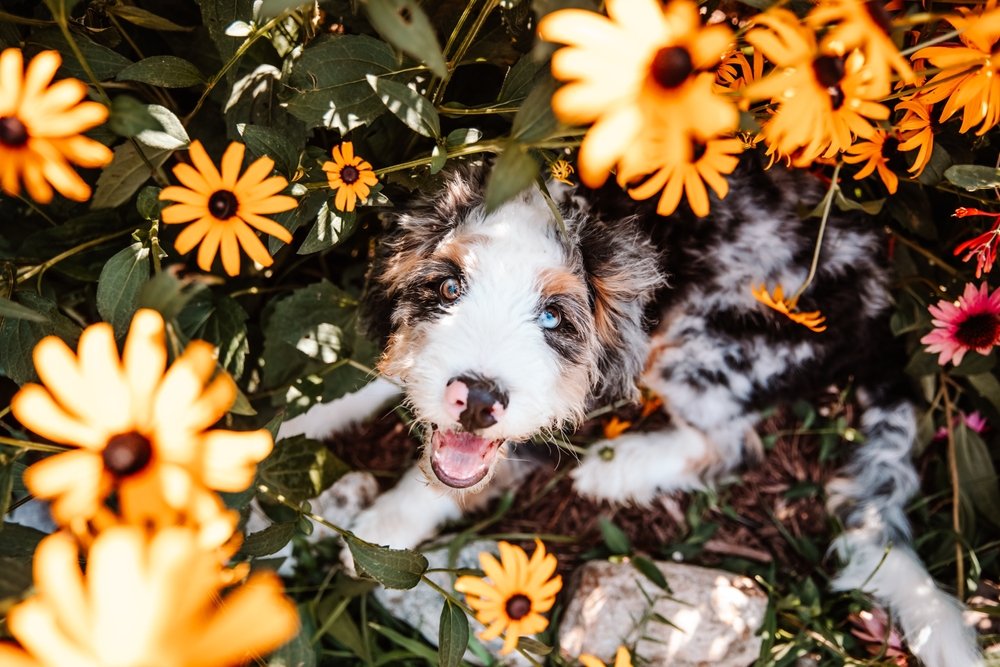

Choosing a family dog is an important decision that impacts your household for years. Among popular breeds, the mini Bernedoodle stands out for its affectionate temperament, intelligence, and adaptability. Families across the country are discovering that these dogs are not only adorable but also reliable companions for children and adults alike.
Understanding the mini Bernedoodle’s characteristics, temperament, and care needs is essential before bringing one into your home. This guide explores why mini Bernedoodles are excellent family pets, how to choose reputable mini Bernedoodle breeders, and tips for raising a happy and healthy puppy.
Understanding the Mini Bernedoodle
The mini Bernedoodle is a hybrid breed created by crossing a Bernese Mountain Dog with a Miniature Poodle. The result is a smaller dog that combines the Bernese’s gentle, calm personality with the Poodle’s intelligence and hypoallergenic coat.
Mini Bernedoodles typically weigh between 25 and 45 pounds and stand around 18 to 22 inches tall. Their coats can range from wavy to curly, with a variety of colors including black, white, and brown combinations. While often considered low-shedding, their coats do require regular grooming to prevent tangles and matting.
Temperament-wise, mini Bernedoodles are affectionate, friendly, and highly social. They thrive on companionship and respond well to positive reinforcement training. These traits make them ideal for households with children, seniors, or other pets.
Why Mini Bernedoodles Are Great for Families
Families are drawn to mini Bernedoodles for several reasons:
1. Gentle and Affectionate Nature
Mini Bernedoodles inherit the Bernese Mountain Dog’s gentle demeanor, making them patient and loving around children. They are usually calm and tolerant, yet playful enough to keep up with active kids.
2. Intelligent and Trainable
Thanks to their Poodle lineage, mini Bernedoodles are highly intelligent and easy to train. They learn commands quickly and respond well to positive reinforcement. This makes potty training, obedience, and trick training a manageable and enjoyable experience.
3. Social and Friendly
Mini Bernedoodles are naturally social dogs. They enjoy interacting with family members, neighbors, and even other pets. Their friendly disposition ensures they integrate well into family life, making outings and visits enjoyable.
4. Adaptable to Living Spaces
Whether you live in a house with a yard or an apartment, mini Bernedoodles adapt well to different environments. They require regular exercise but are flexible enough to thrive in a variety of living situations.
Choosing Reputable Mini Bernedoodle Breeders
One of the most important steps in welcoming a mini Bernedoodle puppy into your family is selecting a reputable breeder. Responsible breeders prioritize the health and well-being of their dogs, ensuring puppies are raised in a safe, nurturing environment.
Traits of a Reputable Breeder
- Health Testing: Ethical breeders perform genetic and health screenings on both parent dogs to prevent hereditary conditions.
- Socialization: Puppies are exposed to people, sounds, and experiences early on, promoting balanced behavior.
- Clean Living Conditions: Breeders maintain hygienic, safe, and stimulating environments for their dogs.
- Transparency: Reputable breeders answer questions openly and provide documentation for vaccinations, health tests, and lineage.
- Contracts and Guarantees: Responsible breeders offer written agreements outlining health guarantees and return policies if needed.
Questions to Ask Potential Breeders
Before choosing a breeder, ask questions like:
- What health screenings have been conducted on the parent dogs?
- Can I meet the parents or see photos?
- How are puppies socialized before adoption?
- What vaccinations and deworming treatments will the puppy receive?
- Is there a health guarantee or contract?
Preparing Your Home for a Mini Bernedoodle Puppy
Welcoming a mini Bernedoodle puppy requires preparation to ensure a smooth transition into family life.
Puppy Essentials
Gather supplies such as:
- Food and water bowls
- Comfortable bed or crate
- Toys and chew items
- Grooming tools (brushes, combs, nail clippers)
- Puppy training pads or supplies
Establishing Routines
Mini Bernedoodles thrive with structured routines. Schedule feeding times, potty breaks, exercise sessions, and playtime consistently. Consistency helps puppies feel secure and accelerates training.
Socialization and Training
Early socialization is crucial. Introduce your puppy to:
- Family members and visitors
- Other dogs and pets
- Different environments and sounds
Positive reinforcement training helps mini Bernedoodles develop good behavior while strengthening the bond with family members. Enrolling in a puppy training class can also provide guidance for first-time owners.
Grooming and Healthcare
Mini Bernedoodles require regular grooming, including brushing several times per week and professional trims every 6–8 weeks. Regular veterinary checkups, vaccinations, and preventive care, including flea and tick control, are essential for long-term health.
Benefits of Raising Mini Bernedoodles with Children
Raising a mini Bernedoodle in a family setting offers multiple advantages:
Encourages Responsibility
Children learn responsibility by participating in feeding, grooming, and playtime activities. Caring for a pet teaches empathy, routine management, and patience.
Emotional Support and Companionship
Mini Bernedoodles are sensitive to emotions and often provide comfort to children. Their affectionate nature makes them excellent companions for emotional development.
Promotes Physical Activity
Active playtime with a mini Bernedoodle encourages outdoor activity, exercise, and healthy habits for the whole family.
Enhances Social Skills
Interacting with a friendly, social dog can help children develop communication and empathy skills while learning how to respect animals.
Common Challenges and How to Address Them
While mini Bernedoodles are generally adaptable and loving, families should be aware of potential challenges:
- Separation Anxiety: Mini Bernedoodles are social dogs and may experience anxiety when left alone. Gradual crate training and establishing routines can help.
- Grooming Needs: Their coats require regular attention. Families should establish a grooming schedule to avoid matting.
- High Energy Levels: Daily exercise and mental stimulation are necessary. Puzzle toys, walks, and playtime help keep them balanced.
Understanding these challenges and preparing in advance ensures a happy, harmonious family environment.
Long-Term Benefits of Responsible Breeding
Choosing reputable mini Bernedoodle breeders supports the long-term health and temperament of the breed. Ethical breeding practices prevent genetic disorders, promote socialized behavior, and contribute to a stable, well-adjusted puppy.
By working with responsible breeders, families reduce the risk of unexpected health issues and enjoy a smoother adjustment period with their new puppy. Reputable breeders often provide ongoing support, helping families navigate training, healthcare, and general care.
Final Thoughts
Mini Bernedoodles are exceptional family pets due to their affectionate nature, intelligence, and adaptability. Selecting a reputable mini Bernedoodle breeder is the foundation for raising a healthy, well-socialized puppy.
Families who take the time to research breeders, prepare their home, and commit to proper training and socialization will experience years of companionship, joy, and love with their mini Bernedoodle.
For additional guidance on mini Bernedoodle puppies and resources for responsible breeding, visit Bernedoodle Perfection.