When you’re considering bringing a Mini Bernedoodle into your life, choosing the right breeder is one of the most important decisions you’ll make. While large kennels and commercial breeding facilities may offer convenience and variety, a home-based, family breeder offers something far more valuable a nurturing start that sets the stage for a lifetime of health, happiness, and strong bonding.
This article explores why families looking for a Mini Bernedoodle should consider a breeder who operates from a loving, home environment, and how ethical practices can make all the difference in your puppy’s future.

1. The Difference Between Home Based and Commercial Breeding
The first thing to understand is how home based breeding differs from kennel style operations.
Home based breeders typically raise their puppies in the same environment they live in themselves around family members, household sounds, and everyday activities. This type of environment helps puppies become well socialized, confident, and adaptable.
On the other hand, commercial kennels often house large numbers of dogs in separate enclosures, limiting early exposure to human interaction and variety. While not all kennels are unethical, the sheer scale can make it difficult to provide each puppy with the individualized attention it needs.
2. Early Socialization: The Key to a Well Adjusted Puppy
Puppies go through critical development stages in their first eight weeks of life. During this time, exposure to new sights, sounds, and experiences is crucial for building confidence.
A home based Mini Bernedoodle breeder ensures puppies:
- Hear normal household noises like the TV, vacuum, and doorbell.
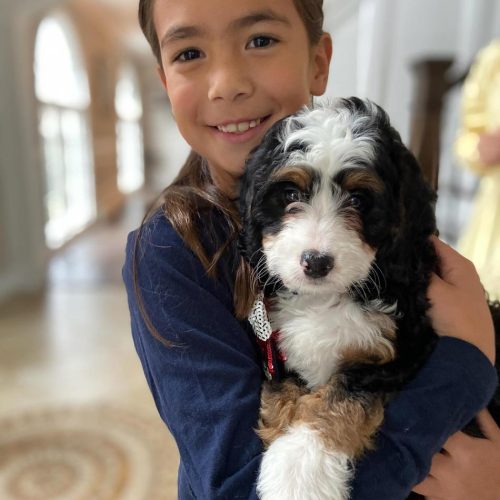
- Interact with children and adults of all ages.
- Experience varied textures and environments (carpets, grass, tile).
This socialization leads to calmer, more adaptable dogs especially important for families with kids or other pets.
3. Ethical Breeding Practices That Put Puppies First
One of the strongest advantages of working with a small scale, family breeder is the ability to uphold ethical breeding standards.
Responsible breeders prioritize:
- Genetic testing to prevent hereditary diseases common in Bernedoodles.
- Regular veterinary care for both the parents and the puppies.
- Appropriate breeding frequency to safeguard the health of the mother dog.
By focusing on the health and well being of each dog rather than mass production, breeders can ensure their puppies have the best possible start.
4. Licensed, Accredited, and Transparent
Not all breeders are created equal. Look for one who is:
- Licensed in their state or region.
- Registered with a recognized breeder association.
- Compliant with USDA regulations for animal welfare.
These credentials provide peace of mind that your breeder meets or exceeds industry standards for care. Transparency is also key. Ethical breeders are happy to answer your questions, show you their facilities, and introduce you to the parent dogs.
5. The Role of Veterinary Partnerships
Partnering with a trusted veterinarian is essential for maintaining the health of breeding dogs and their puppies. A reputable breeder will:
- Schedule regular check ups and vaccinations.
- Provide you with detailed health records.
- Ensure puppies are dewormed and microchipped before going home.
When breeders have close relationships with vets, it shows a long term commitment to animal welfare not just meeting the minimum requirements.
6. Family Involvement Shapes Temperament
Raising puppies in a family home means they are surrounded by love and interaction from day one. This constant engagement teaches them how to respond to human cues, be comfortable with handling, and adapt to a range of personalities and situations.
At Bernedoodle Perfection, for example, puppies are cared for in a nurturing home environment where they learn to be gentle, social, and affectionate companions ready to integrate into their forever families.
7. Why Size Matters in Breeding Operations
Large scale breeding facilities often have dozens of dogs, making personalized care difficult. Small scale, family based breeders keep the number of litters low so they can focus on the needs of each puppy.
This means:
- More hands on time.
- Better health monitoring.
- More individualized attention during the crucial early weeks.
8. A Commitment to Long Term Support
Your relationship with a home based breeder doesn’t end when you pick up your puppy. The best breeders provide ongoing support for training, nutrition, and health. They genuinely care about where their puppies end up and are available for guidance well after adoption day.
This dedication ensures you always have someone to turn to for advice whether it’s about diet, exercise, or behavioral quirks.
9. Choosing a Breeder You Can Trust
Before committing, take the time to:
- Visit the breeder’s home and meet the parent dogs.
- Ask for proof of genetic testing and veterinary care.
- Read reviews or ask for testimonials from past adopters.
By doing your due diligence, you’ll ensure your puppy comes from a safe, loving, and ethical environment the kind that shapes a happy, healthy Bernedoodle for years to come.
10. The Joy of Bringing Home a Home Nurtured Puppy
When you finally bring your Mini Bernedoodle home, you’ll see the difference a loving start makes. Puppies from home based breeders are often calmer, better socialized, and more adaptable qualities that will make the transition smoother for everyone in your household.
At Bernedoodle Perfection, the goal is simple: raise well adjusted, healthy puppies who will bring joy to their forever families.
Mini Bernedoodle FAQs
Answers to common questions about choosing a Mini Bernedoodle and working with reputable breeders.
How is a home-based Mini Bernedoodle breeder different from a kennel breeder?
Home-based breeders raise puppies in a family setting with daily interaction and early socialization. Kennels typically keep puppies in more structured, separate environments, which can mean less frequent, varied human contact.
Why is genetic testing important in Mini Bernedoodles?
Genetic testing helps screen for hereditary conditions, supporting long-term health and potentially reducing the risk of costly vet bills down the road.
What should I ask a Mini Bernedoodle breeder before adoption?
Ask for health records and vaccination history, parent-dog genetic testing results, breeding frequency, and details on the breeder’s socialization practices and daily routine for the puppies.
Are Mini Bernedoodles good with kids and other pets?
Yes. When raised by family breeders who expose them early to children, adults, and other animals,